By CFM , 2026-07-20 05:28:53
Share to:


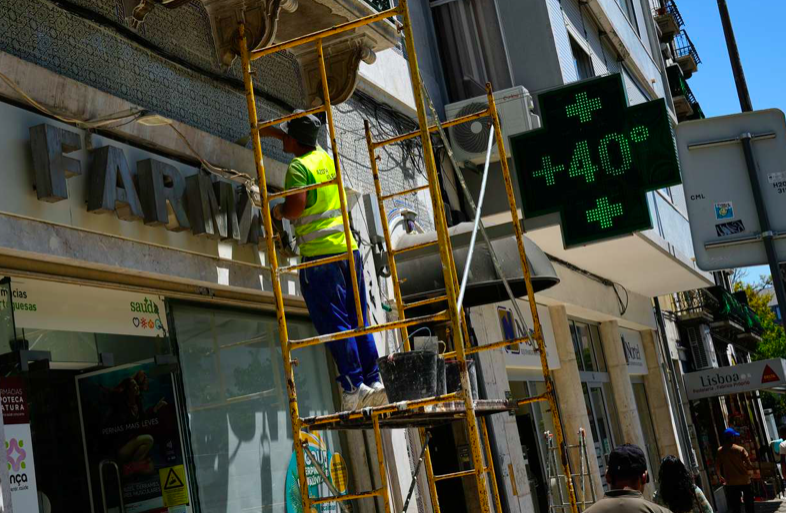
In the peak summer of 2026, an extreme heatwave continues to sweep across Europe, pushing temperatures above 40°C in numerous regions. The scorching heat has placed severe strain on Europe’s power systems, with countries including France, Spain and Italy rolling out successive power outages and rationing measures. A vast number of industrial enterprises have been forced to scale back or cease production, and the fastener industry supply chain is facing systemic disruptions.
France: Slumping Nuclear Output and Heat-Forced Gas Plant Shutdowns
As Europe’s largest power exporter, France has seen 11 nuclear reactors forced into full shutdown or derated operation due to excessively high river water temperatures, taking roughly 8.8 gigawatts (GW) of power capacity offline — nearly 15% of the country’s total installed nuclear capacity. On July 16, a 930-megawatt (MW) gas-fired power plant in Martigues, southern France, was shut down on an emergency basis after elevated seawater temperatures restricted cooling water intake. This marks the first time a French gas power facility has been forced offline by extreme heat since 2022. As the power deficit keeps widening, around 68,000 households in the Brittany region once suffered a 72-hour blackout.
Spain: Plunging Wind Generation Triggers Mandatory Power Cuts for Large Industrial Users
On July 15, Spain’s grid operator urgently activated its "Demand Response Service" to mandate temporary power cuts for large domestic industrial enterprises, against a backdrop of plummeting wind power output combined with surging peak electricity demand. Power-intensive companies including ArcelorMittal and AZSA were ordered to reduce or suspend production. This is the second time Spain has enforced mandatory power cuts for large industries in 2026. The mechanism, launched in 2023, has now been triggered seven times in total, with compensation costs borne by consumers reaching 434 million euros in 2026 alone.
Italy: Normalized Outages Inflict Heavy Losses on Manufacturing
Prolonged, successive power outages have struck cities including Turin and Rome, while disputes over blackouts in Teramo have escalated to the provincial government level. Confindustria, Italy’s national industrial federation, points out that a more insidious threat comes from frequent "micro-interruptions": equipment can sustain damage from just a few seconds of power loss, and restoring full production takes considerable time. The country’s retail association estimates that a single outage lasting several hours can inflict 2,000 to 5,000 euros in losses per business premises. Stellantis has announced that its Mirafiori plant in Turin will suspend operations for two additional days on July 17 and 20.
Three-Fold Impact on the Fastener Industry
On the production front, operations at European domestic fastener manufacturing facilities have been severely hampered. Germany’s day-ahead electricity price has breached 200 euros per megawatt-hour (MWh), while France’s has surpassed 170 euros/MWh. Power costs for energy-intensive industries across Europe are now more than twice as high as those in the United States.
On the logistics front, the combination of extreme heat and falling water levels on the Rhine River has created bottlenecks in both road and inland waterway transport, bringing significant uncertainty to fastener delivery lead times.
On the demand front, consecutive production halts at automakers such as Stellantis and Volkswagen have driven a direct contraction in fastener orders. Allianz Trade estimates that if extreme heat conditions persist, major economies including France, Germany, Italy and Spain will see cumulative GDP losses of 5% to 7% between 2026 and 2030, amounting to a total of 638 billion US dollars.
Europe is currently caught in a systemic transmission chain of "extreme heat → power shortage → industrial shutdown → supply chain disruption". Compounding the pressure, the EU’s Carbon Border Adjustment Mechanism (CBAM) officially entered its substantive levy phase in 2026, driving up both the overall costs and compliance thresholds for fastener exports to Europe. Analysts note that Taiwan’s screw and fastener exports to Europe plunged by more than 12% in the first half of the year, primarily hit by the double blow of CBAM compliance requirements and softening demand.
For Chinese fastener exporters, it is critical to monitor both short-term order volatility and long-term structural shifts in the European market. They must not only address the immediate pressures of delivery delays and declining demand, but also accelerate the building of carbon footprint accounting capabilities to meet the long-term compliance requirements under the CBAM.
Overall Rating0 reviews
Evaluate the Details